Cancel culture isn’t just a trend—it’s a powerful force quietly reshaping how we think, speak, and interact every day.
At first glance, it seems simple: someone says or does something offensive, and the public responds by withdrawing support. But beneath the surface, something much bigger is happening. Cancel culture isn’t driven by one thing—it’s the result of a perfect storm of technology, emotion, and social pressure colliding in real time.
The Real Engine Behind Cancel Culture
What truly drives cancel culture?
It starts with social media—today’s digital town square. Ideas don’t just spread anymore—they explode. A single comment, clip, or mistake can reach thousands—or millions—within minutes. There’s no pause, no filter, no time to reflect.
And that speed matters.
Because when information moves fast, emotion moves faster.
Outrage, anger, disappointment—these reactions spread rapidly and often overpower logic. Before the full story emerges, opinions are formed. Lines are drawn. And just like that, a wave begins.
When the Crowd Takes Over
As more people join in, something shifts.
Individual thought gives way to collective reaction. What starts as concern can quickly turn into a digital pile-on—a modern form of public shaming. This is where cancel culture becomes less about accountability and more about momentum.
People aren’t just reacting to the situation anymore—they’re reacting to each other.
And in that environment, one powerful motivator takes hold:
Fear.
Fear of being the next target. Fear of saying the wrong thing. Fear of being misunderstood—or worse, publicly judged.
So what happens?
People stay quiet. They hold back opinions. They avoid meaningful conversations altogether.
The Tension No One Talks About
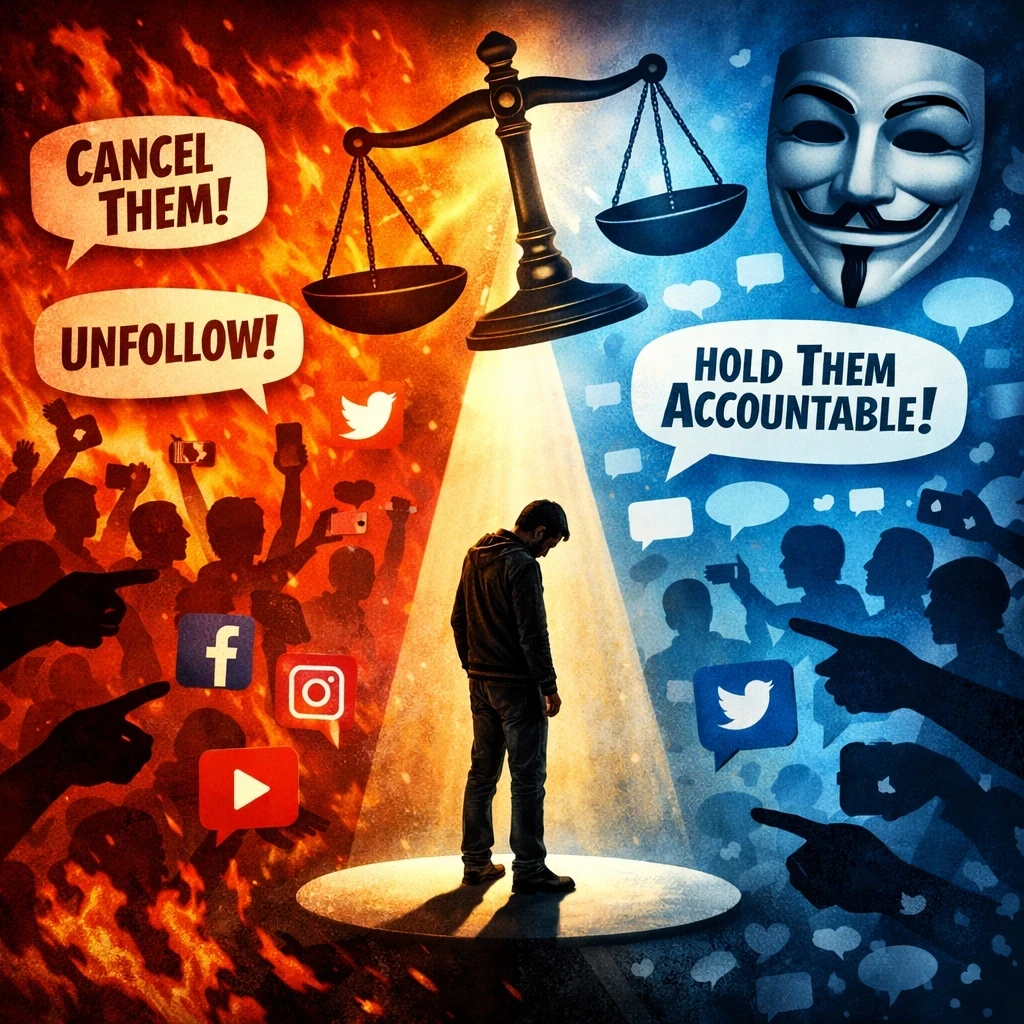
At its core, cancel culture lives in a constant tug-of-war:
- Free speech vs. social accountability
- Justice vs. punishment
- Awareness vs. overreaction
On one hand, cancel culture has sparked real change. It has given a voice to the unheard and forced powerful individuals and institutions to take responsibility.
But on the other hand, it has created an environment where judgment often comes before understanding.
Where reputations can be destroyed overnight.
Where intent no longer matters—only perception.
And where the court of public opinion rarely waits for evidence.
So… What’s Really Driving It?
Cancel culture is fueled by:
- The speed and reach of social media
- Emotion-first reactions instead of fact-based thinking
- The rise of mob mentality
- A growing demand for accountability
- The fear of social and professional consequences
- A lack of safe spaces for honest conversation
In short:
Cancel culture thrives when technology amplifies emotion faster than understanding can catch up.
Is There Another Way Forward?
If cancel culture is driven by noise, speed, and fear, then the solution lies in the opposite:
Pause. Conversation. Understanding.
This is where something surprisingly simple becomes incredibly powerful:
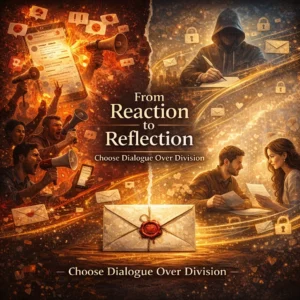
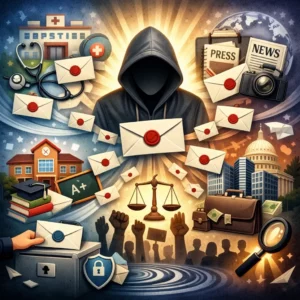
Anonymous Communication
Imagine being able to speak honestly—without fear of backlash.
That’s where anonymous written letters come in.
They remove the pressure of identity and replace it with something rare in today’s world: an honest, unfiltered perspective.
- No public shaming
- No instant judgment
- No social consequences
Just thoughtful communication.
Anonymous letters shift the focus away from punishment and toward something far more productive:
Dialogue.
They allow difficult conversations to happen—calmly, privately, and constructively. They create space for truth without fear, and for understanding without attack.
Building a Better Culture
We don’t need to eliminate accountability. We need to redefine how we approach it.
A healthier culture isn’t built on outrage—it’s built on:
- Listening before reacting
- Understanding before judging
- Teaching instead of tearing down
Because at the end of the day, progress doesn’t come from silencing voices.
It comes from hearing them—even the uncomfortable ones.
Discover a Better Way to Be Heard
At Anonymous Written Letters, we believe communication should be thoughtful, private, and impactful.
Whether you’re sharing something meaningful, addressing a sensitive issue, or simply want your voice heard without fear—we’re here to help you do it with clarity and care.
Explore how anonymous communication can open doors, ease tension, and create real understanding.
Your voice matters. Sometimes, it just needs the right way to be heard.